What Is Fast Fashion?

Fast fashion refers to the rapid production of low-cost clothing that mimics current luxury or runway trends. These pieces are designed, manufactured, and pushed to market at lightning speed – often within just a few weeks – so consumers can buy into the latest styles without breaking the bank.
The goal? To get trendy clothes into stores (and online) as quickly and cheaply as possible, encouraging frequent purchases and a constantly rotating wardrobe.
How Fast Fashion Works
Fast fashion brands use inexpensive materials and labour to mass-produce garments at low cost. They rely heavily on digital feedback loops – what’s trending on TikTok, Instagram, or the runway today might be available for purchase tomorrow.
Design cycles that once took months now happen in days. This speed-to-market strategy fuels constant demand and keeps prices ultra-low.
Fast Fashion Examples
Some of the biggest fast fashion retailers include:
- Shein
- Zara
- Boohoo
- PrettyLittleThing
- H&M
- Primark
These brands thrive on offering trend-led designs for as little as £5–£20 per item, which is why fast fashion has become such a dominant force in the industry — but also why it’s under increasing scrutiny.
Why Is Fast Fashion Controversial?
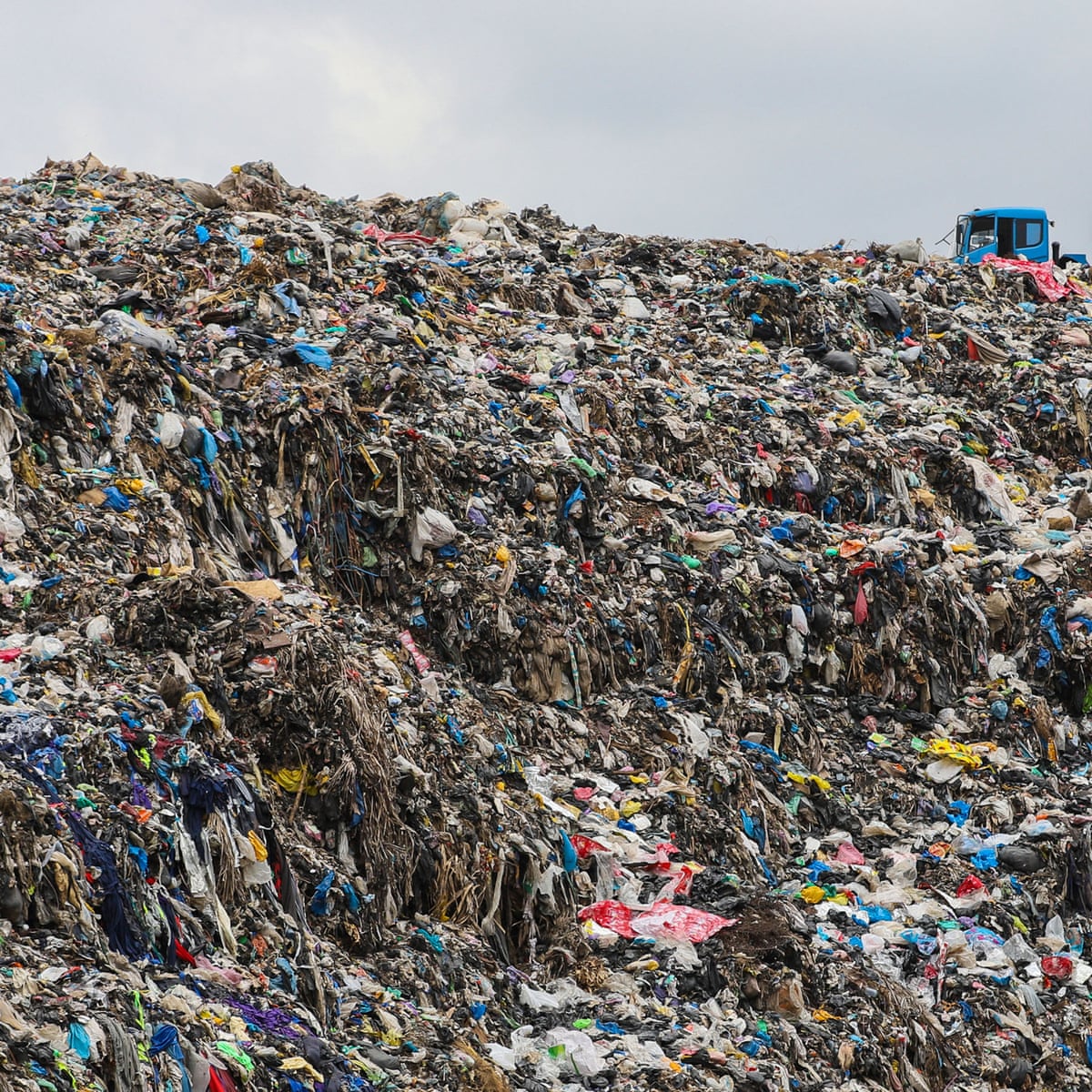
While fast fashion makes trends more accessible, it comes with serious downsides – especially for the planet, garment workers, and even your wallet in the long run.
1. Environmental Impact
Fast fashion is one of the most polluting industries in the world. The constant cycle of production leads to:
- High water usage (e.g. thousands of litres to make one cotton T-shirt)
- Textile waste — millions of tons end up in landfills each year
- Microplastic pollution from synthetic fibres like polyester
2. Unethical Labour Practices
In order to keep prices low and production fast, many fast fashion brands outsource labour to factories with poor working conditions. Workers often face:
- Low wages
- Long hours
- Unsafe environments
3. Disposable Culture
Fast fashion encourages a mindset of overconsumption. When clothes are cheap and constantly replaced, people treat them as disposable – buying more, wearing less, and tossing items out after just a few uses.
This throwaway culture creates a cycle that’s hard to break – but not impossible.
Is All Affordable Fashion Fast Fashion?
Not necessarily. It’s a common misconception that affordable fashion automatically means fast fashion – but that’s not always the case. While many budget retailers do fall under the fast fashion category, there’s a growing number of options that offer affordable style without the fast fashion pitfalls.
Take brands like Uniqlo, which focus on quality basics, or second-hand platforms like Depop and Vinted – where you can grab top-quality pieces for a fraction of the price. Even shopping sale sections at premium stores like END., Flannels, or using aggregator platforms like The Clothes Supplier can help you find the best fashion deals without relying on mass-produced trends.
And yes, sometimes buying from fast fashion retailers can make sense – especially if you’re thoughtful about what you buy, wear your clothes often, and avoid impulse trends that only last a week.
At The Clothes Supplier, we’re not anti-fast fashion. We’re pro smart shopping, affordable fashion that lasts, and building a wardrobe that works for you – without going broke or buying wastefully.
Smart Ways to Shop Without Falling Into the Fast Fashion Trap

You don’t need to give up on affordable fashion (or anything at all) – you just need to shop smarter. Here are a few practical ways to enjoy great style without contributing to the fast fashion cycle:
1. Shop Second-Hand
Platforms like Depop and Vinted make it easier than ever to find high-quality, pre-loved clothing. You can find designer pieces, vintage gems, and streetwear staples – often for a fraction of the original price.
2. Browse the Sales at Popular Retailers
You don’t always have to pay full price. Retailers like END Clothing, Flannels, and ASOS regularly run sales on big-name brands. With a bit of patience and good timing, you can find luxury fashion at seriously discounted prices.
3. Use Aggregator Sites Like The Clothes Supplier
Instead of hopping from site to site, use a smart aggregator like The Clothes Supplier. We scan hundreds of retailers to find the lowest prices on popular brands – and then we list them all in one place. From Ralph Lauren to Stone Island, we help you find the same designer pieces for less.
Final Thoughts: Affordable Fashion Doesn’t Have to Come at a Cost
Fast fashion isn’t black and white – and shopping smart doesn’t mean spending big. Whether you’re buying second-hand, hunting for deals at premium retailers, or grabbing a well-made dupe, the key is making intentional choices.
At The Clothes Supplier, we believe affordable fashion should be accessible, conscious, and clever – not disposable. Explore our shop to find the best prices on popular brands, and check out our blog for more smart fashion tips.